Hiya, this is King Crab 👑🦀 reporting for duty.
I’ve played social sports before – although that may come as a shock given how strong my white-line fever is. A season of indoor volleyball after six hours of tutorials was a perfect outlet during my bachelors degree. A tour of UniGames to play Handball (the European one) was a shock given nobody told me how unserious (and alcohol fueled) the event is… and we all know i’ll happily jump into a weeknight indoor cricket match, even if it means getting concussed by my own batting partner.
Like most people, I play team sports to spend time with wonderful people. It’s the perfect excuse to bring friends together, or to find new ones. The amount of times a baseball, touch footy, aussie rules or cricket team has made my life better is more than i can count, especially when moving interstate so often. The perfect balance of burning some energy, doing cool shit and spending time with friends is always going to be worth it, even after a long day at work. It’s not the same as sitting down for a meal or a drink – sure we don’t get to do a lot of the ‘catching up’, but we make more memories together, and that’s what strengthens friendships.
After returning to Brisbane, I was hoping to reconnect with the incredible people i knew in this city, but we all live such busy lives. Academia doesn’t play nice with the schedule of high performance sport, but we didn’t let that stop us. What could a few sporty nerds squeeze into a packed schedule? Some rebound beach volleyball on a Wednesday night of course. The hard part was getting the idea from a coffee table to the court; it’s one thing to want to play… it’s another to organise everyone!
Division: Intermediate
Roster: 10 people for a 4-a-side sport (and still had to forfeit one week…)
Team Name:…
Weeks before the fateful day our team took the sand for the first time, i was on a walk with two people i have all the time in the world for. As a quirky little trio, we often find ourselves on tangential conversations and this time was no different. We were posed the question: which crustacean would you choose to live as, for the lifestyle?
For context (as if there’s enough context in the world to preface a question like this), we were wandering through an area along Moreton Bay, covered in mangroves and little signs along the boardwalk to tell us about the local flora and fauna. This ecologically diverse area was captivating – we stood still and watched a family of ducks wander through two ponds for about 10 minutes, barely saying a word, as their footprints kicked up the silty floor under the water and left a smoky, swirling trail in their wake. How often do we stop to just appreciate these moments?!
After digging through any knowledge of crustaceans we had in mind, we made our choices and justified them gently, detailing how we would make friends with other species, how the animal might match our characteristics like speed, gait etc. There is no such thing as a silly question here. When i arrived home, i pondered the same question with my housemates, and we had an in-depth conversation about the perks or downsides of certain crustacean lifestyles. We’re fun to be around.
I promise these stories are connected.
Team Name: Sand Crabs
Given we were about to embark on an adventure through rebound beach volleyball, it was low-hanging fruit really. Some of the team names in the competition are outstanding, but we have something they don’t: crustacean-themed nicknames. Oh, and hair clips. Yes you read that right.
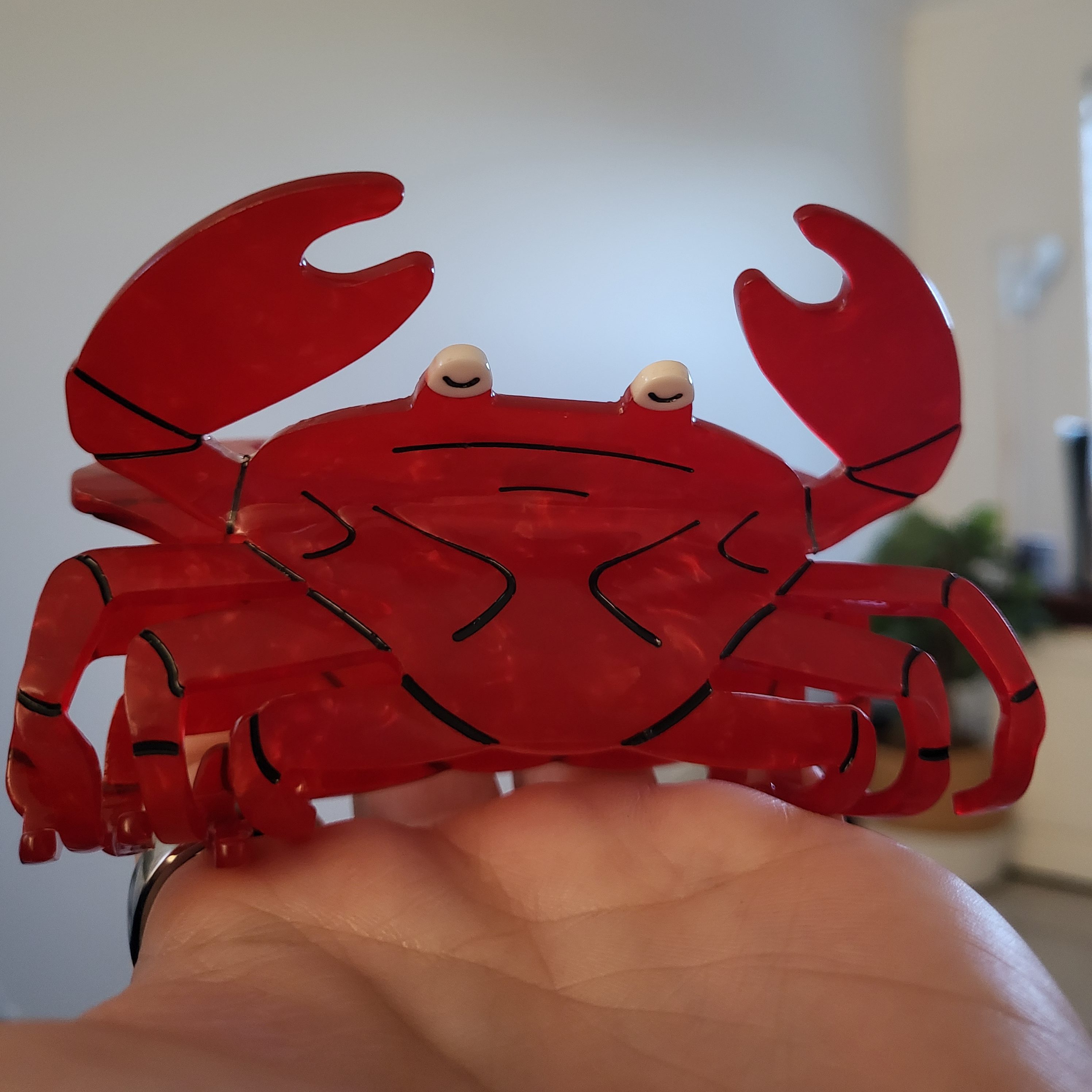
From an offhand conversation to the inspiration for the most eclectic group of pseudo-volleyballers, each with their own crab name and hair clip… this is why sport is such a fundamental part of my existence. We also discovered that one of the collective nouns for crabs is a consortium which is just poetic at this stage.
But wait, wasn’t the premise of these newsletters to talk about sciencey stuff? Well, believe it or not, that’s what I’ve been doing the whole time.
There is consistent evidence that participation in a team sport is associated with improved social and psychological health independent of the type of team sport, age, somatic, or mental health problems. The findings indicate that team sport could be more efficient in promoting health and ensuring exercise participation and continuation than individual sport. However, when utilising team sports for health purposes, precautions must be taken with regard to their inherent competitive nature.
Andersen et al. (2018)
If anything, the competition is where I thrive: I will do anything for my teammates, even run! And I know I’ve spoken before about how much I vehemently hate running so please know how powerful that statement is. The shared joy and diversity in the way we play makes me a better scientist too. Witnessing human learning first hand, observing how praise and support shifts how someone appraises their performance, noticing the different ways we can classify success (e.g. reading the ball rebounding off the nets is bloody hard, but we get closer to the ball each week!) is somewhat unique to this shared sport experience.
It reminds me that I am so privileged to move my body in so many ways, and being physically literate is something I value so highly. I don’t move my body because I know it’s good for me, if anything I often joke that I’m the worst exercise scientist because I know better and still don’t do it haha! I don’t even think about it as “exercise” as I throw my body on the sand in the hopes of popping the ball up so my teammate can whack it over a net. I won’t hesitate to defend someone else in a contact sport, even if it means I cop the hit. I’ll happily sit there in a terribly placed chokehold at jiu jitsu training so the kid I’m sparring with can work out his grip isn’t quite in the right place to make me tap out (yet).
I am so lucky that despite not always being welcome in sporting spaces, this has never stopped me from reaping the benefits. Sure, that headstrong determination has also worn off into other parts of my life in (mostly) good ways, but I do think we still have a way to go before everyone can genuinely experience this level of connection, contentment and competence. If we were wholeheartedly dedicated to providing these kind of sporting opportunities for everyone, our systems and values and economies of sport would look vastly different – which is likely why so many people will remain on the sidelines.
To finish, I wanted to leave you with a quote from a piece of writing that I am incredibly proud of – a chapter in Myths of Sport Performance titled “Smoke and Mirrors: The Superficial Rise of Women’s Sport”.
[…] involvement in sport to improve physical health can take a significant load off healthcare services, mental health providers, and combat the rise of obesity levels. Together, they account for 6.2% GDP in the UK, which is approximately £34.72 million. When estimated across Europe, €16.1 billion could be saved by helping one person in every five reach the recommended levels of daily activity, which sport has the power to do.
Chapter 10, Myths of Sport Performance
So get out there, find your team, try a sport you’ve never done before and relish that discomfort of learning to move your body.
If you want to hear more about the story behind this book chapter, I’m joining the incredible editors for a webinar next week (29th Oct 2025), for any of the night owls on the east coast of Australia haha!

 asl
asl 
Leave a comment